Soil Management

Healthy soil is the foundation of successful crop production. Soil management is the practice of managing soil for sustainable agricultural production. It involves the careful manipulation of soil structure, nutrient content, and water-holding capacity to enhance soil fertility and productivity. Effective soil management practices can help farmers increase crop yields, reduce soil erosion, and improve soil health. In this guide, we’ll explore the importance of soil management and some of the best soil management practices for sustainable agriculture.

Importance of soil management

Soil is a living ecosystem that is home to a wide range of organisms such as bacteria, fungi, and worms. These organisms help to decompose organic matter, release nutrients, and aerate the soil. Healthy soil is essential for sustaining healthy crops andthe surrounding ecosystem. Here are some of the key reasons why soil management is important:

01.

Enhances Soil Fertility

Good soil management practices can enhance soil fertility and increase crop yields. By adding organic matter and nutrients to the soil, farmers can improve soil fertility and create a better growing environment for plants.

02.

Prevents Soil Erosion

Soil erosion is a major problem in agriculture. It occurs when soil particles are washed or blown away, leaving behind barren land. Soil management practices such as cover cropping, reduced tillage, and conservation tillage can help prevent soil erosion and maintain soil health.

03.

Improves Water Quality

Healthy soils are important for carbon sequestration, which is the process of capturing and storing atmospheric carbon in the soil. By practicing soil management techniques that increase soil organic matter, farmers can help combat climate change by sequestering carbon in the soil.

04.

Increases Soil Carbon Sequestration

Good soil management practices can enhance soil fertility and increase crop yields. By adding organic matter and nutrients to the soil, farmers can improve soil fertility and create a better growing environment for plants.

05.

Promotes Biodiversity:

Soil management practices that support healthy soils can help to promote biodiversity by creating a better habitat for soil organisms, insects, and other wildlife.

Soil Management Practices

There are a variety of soil management practices that farmers can use to promote healthy soil and sustainable agriculture. Here are some of the most effective soil management practices:

Conservation Tillage:

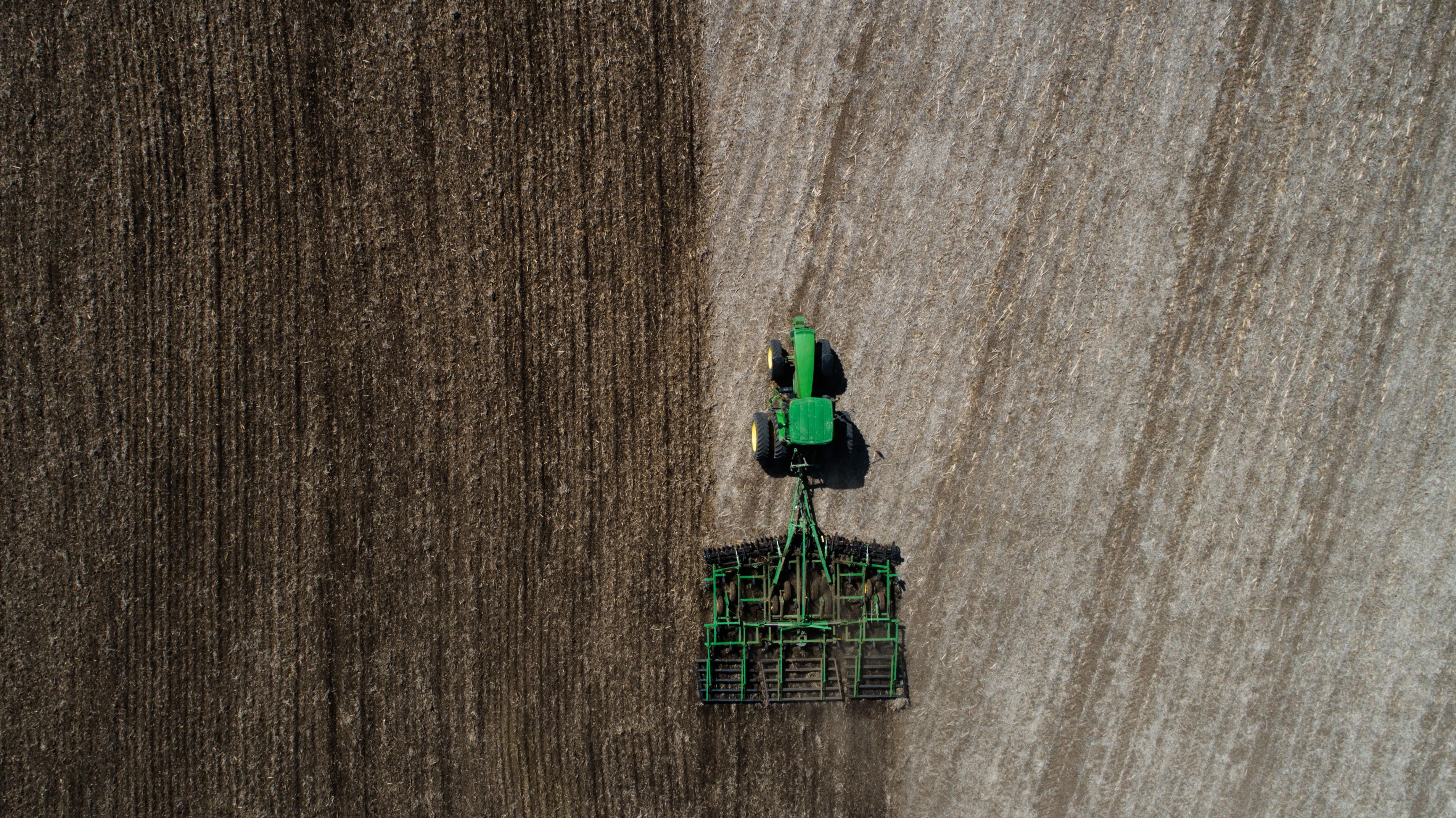
Conservation tillage is a practice that involves leaving crop residues on the soil surface to reduce soil erosion and improve soil health. This practice helps to reduce the amount of soil disturbance, which can improve soil structure and water-holding capacity.

Cover Cropping:

Cover cropping involves planting a crop, such as grass or legumes, during the fallow period between main crops. Cover crops help to reduce soil erosion, improve soil health, and provide additional nutrients to the soil.

Crop Rotation:

Crop rotation is the practice of planting different crops in the same field in a planned sequence over time. This practice helps to reduce soil erosion, improve soil health, and break up disease and pest cycles.

Nutrient Management:

Nutrient management involves applying the right amount of nutrients to the soil to support crop growth and maintain soil health. This practice can help reduce nutrient runoff and improve water quality.

Reduced Tillage:

Reduced tillage involves minimizing soil disturbance by using minimum or no-till planting methods. This practice helps to reduce soil erosion and maintain soil structure.

Soil Testing:

Soil testing is the process of analyzing soil samples to determine nutrient levels, soil pH, and other important soil properties. This practice helps farmers determine the appropriate amount of nutrients to apply to the soil to support crop growth.

Subscribe To Stay Connected

You’ll be the first to know about our new products, special offers, and industry insights. Join our community of like-minded farmers and stay connected with Agrihub.

Scroll to Top